
Radicular Pain: Symptoms, Causes and Treatment
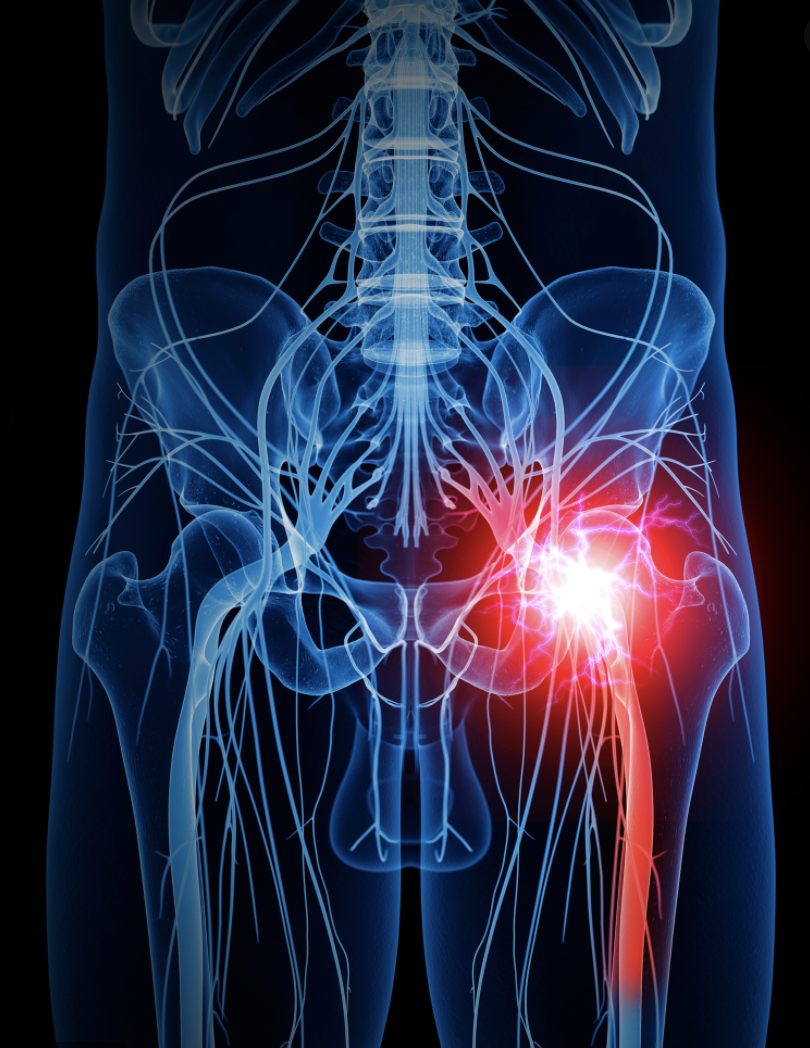
What is radicular pain?Radicular pain is pain that originates from irritation of a spinal nerve root or the dorsal root ganglion, a structure containing the sensory nerve cells near where a spinal nerve leaves the spine. The pain typically travels along the pathway of the affected nerve into the arm, hand, buttock or leg. Radicular pain affecting the upper limb is commonly associated with the cervical spine (neck), while pain affecting the lower limb often originates from the lumbar spine (lower back). Sciatica is a familiar example of lower-limb radicular pain. The condition may occur with or without significant neck or back pain and can range from intermittent discomfort to severe, persistent pain that interferes with sleep, mobility, work and daily activities. Symptoms and clinical signsRadicular pain is often described as sharp, shooting, burning, stabbing or electric-shock-like pain. Patients may also experience tingling, pins and needles, altered sensation or numbness in the affected limb. In cervical radicular pain, symptoms may extend from the neck or shoulder blade into the shoulder, arm, forearm or fingers. In lumbar radicular pain, symptoms may travel from the lower back or buttock down the thigh, calf and foot. The area in which pain, altered sensation or numbness is experienced can provide useful information about which nerve root may be involved. These areas broadly correspond to upper limb dermatomes and lower limb dermatomes, which are areas of skin supplied predominantly by individual spinal nerve roots. However, the distribution can vary between individuals and symptoms do not always follow a textbook pattern. Some patients develop radiculopathy, meaning that nerve dysfunction causes objective neurological changes such as reduced sensation, muscle weakness or diminished reflexes. These findings are important because they can help identify the affected nerve root and determine whether further investigation is needed. Causes and contributing factorsRadicular pain most commonly develops when a spinal nerve root becomes irritated, inflamed or compressed. Common causes include a bulging or herniated intervertebral disc, age-related degenerative changes in the spine (spondylosis), bone spurs and narrowing of the openings through which spinal nerves exit the spine (foraminal stenosis). Other possible causes include spinal canal stenosis, certain spinal injuries, inflammation and, less commonly, infection, tumours or other structural conditions. Disc material may irritate a nerve chemically as well as mechanically, so the severity of symptoms does not always correspond to the degree of visible compression on a scan. Similarly, degenerative changes on MRI may be present without causing symptoms. An accurate diagnosis therefore requires the patient’s history, clinical examination and imaging findings to be considered together. Assessment and diagnosisAssessment by a pain specialist involves reviewing the location, character, duration and severity of pain, any associated sensory symptoms or weakness, previous injuries, medical history and the effect of symptoms on daily function. Clinical examination may include assessment of spinal movement, muscle strength, sensation, reflexes and specific tests designed to reproduce or relieve nerve-related symptoms. MRI may be recommended when symptoms persist, neurological abnormalities are present or an intervention or surgical opinion is being considered. CT scans or electrodiagnostic studies, such as electromyography and nerve conduction studies, may be useful in selected cases. These investigations can help distinguish nerve root problems from other conditions, including peripheral nerve entrapment. The diagnosis should explain the patient’s clinical symptoms rather than relying on imaging abnormalities alone. Treatment optionsTreatment is tailored to the underlying cause, symptom severity, duration of symptoms and the patient’s functional goals. Many cases improve with time and conservative management. Treatment may include education about the condition, maintaining appropriate activity, physiotherapy, graded exercise, activity modification and carefully selected medications for pain or neuropathic symptoms. Where pain remains significant despite initial treatment, interventional pain procedures may be considered. An Epidural Steroid Injection may be used in selected patients to deliver medication around the affected spinal nerves and reduce inflammation, potentially providing pain relief that allows rehabilitation and other treatments to progress. A Dorsal Root Ganglion Block may be considered when symptoms and clinical or imaging findings suggest that a particular nerve root is contributing to the patient’s pain. The procedure can have both diagnostic and therapeutic purposes in appropriately selected patients. For some patients with persistent, well-localised radicular pain, Dorsal Root Ganglion Pulsed Radiofrequency may be considered when other appropriate treatments have not provided sufficient relief. This technique aims to modulate pain signalling around the dorsal root ganglion without intentionally destroying the nerve. These procedures are not suitable for every patient. The choice of treatment depends on the underlying cause, clinical findings, imaging results, previous treatments and the patient’s individual circumstances. The potential benefits, limitations and risks of each procedure should be discussed before treatment. Recovery and when to seek helpThe course of radicular pain varies considerably. Some episodes improve over several weeks with conservative treatment, while symptoms associated with significant nerve compression or underlying spinal disease may persist and require further investigation or treatment. The aim of treatment is not simply to reduce pain, but also to preserve or improve neurological function, restore mobility and help the patient return to normal activities. If significant pain persists despite appropriate non-surgical treatment, or if there is substantial nerve compression or worsening neurological function, referral for a spinal surgical opinion may be appropriate. Urgent medical assessment is required for new or rapidly progressive limb weakness, difficulty walking, new problems with bladder or bowel control, numbness around the groin or saddle region, or other symptoms suggesting serious spinal cord or nerve compression. |
|